Garrie AI: Your Cable Guide

What is a BX Cable?
BX cable is a type of flexible metal-armour cable with copper conductors for residential and commercial applications. It is an older term commonly used to refer to Type AC (Armoured Cable). The name "BX" was a brand name of the Bronx company that developed it, but it's now used generically, as is Romex for NM-B non-metallic sheathed cable. The cable is covered in NEC Article 320: Armored Cable: Type AC. Some manufacturers still sell it under the historic name BX.
BX was a trademarked name introduced by General Electric and the Bronx Rubber Company around 1908. It was one of the first metal-armoured cables developed worldwide.
Key Features of BX Cable
-
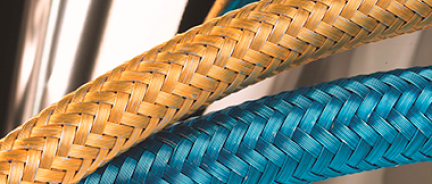
A flexible, spiral-wound aluminium or steel armour for mechanical protection.
-
2 to 4 insulated copper wire conductors (THHN or THHN-like insulation).
-
Includes a bare bonding strip for grounding.
-
The voltage rating for this cable is 600 volts
-
The conductor temp rating is 90 °C (194 °F) in dry locations
-
The ampacity is identical to that of THHN copper conductor.
-
The cable is used only in dry locations, as it is not rated for wet environments or underground installations. It also cannot be used for service entrance applications. Depending on the manufacturer's specs, some BX cables can be installed exposed.
-
The minimum bend radius is 5× the cable diameter, as required by NEC 320.24.
-
The cable requires BX-approved armored cable connectors that clamp the armour and terminate the bonding strip.
-
BX cable is notoriously difficult to cut and requires a specialised BX cutter.

Applications of a BX Cable
BX cable is often used indoors, where specifically permitted. It is often used where NM-B non-metallic sheathing cable is not used or not recommended. In particular, it is suitable for the following applications:
Interior Branch Circuit Wiring in Dry Locations
BX cable is widely used in dry interior environments for wiring outlets, lighting, and switches, especially in cities or buildings where NM-B is disallowed, or metal-sheathed cable is required by code or spec. In particular, it is used in branch circuits in New York City, where NM-B is prohibited in many areas and in commercial spaces due to rodent infestations. In Chicago, where MM-B is not allowed as well, BX is allowed for short final connections no longer than 6 ft, which usually means using it for lighting or appliances. The primary option for branch-circuit wiring in Chicago is EMT conduit with THHN/THWN conductors.
Schools, Offices, and Institutional Spaces
BX is a common option for light commercial interiors like schools and offices, provided the location is dry, and conduit is not explicitly required. Using BX here helps save on a full raceway system. The cable can also be used in non-patient areas in hospitals, but is not allowed in patient areas.
Renovations and Retrofits in Existing BX Systems
In pre-war buildings originally wired with BX, contractors often continue using BX during upgrades to maintain compatibility with existing connectors and bonding strips. If the old BX wiring is intact and working, it does not need to be replaced, even if it is old.
Drop Ceilings, Stud Walls, and Concealed Spaces
BX is a perfect choice for drop ceilings and stud walls, as it can be routed faster than conduit. In buildings with suspended ceilings, it can be used to feed lighting circuits or connect HVAC control panels.
Fire-Rated Walls and Ceilings
The metallic armor of BX provides fire-resistance characteristics, making it acceptable in certain fire-rated assemblies as long as conduit isn't required and the installation is dry. Inspectors may accept BX when properly secured and terminated.
Commercial Tenant Fit-Outs and Retail Interiors
BX is used in dry-wall partitions and ceilings for outlets and lighting in commercial retail spaces where MC or conduit isn't mandated, and NM-B isn't allowed. BX's flexible metal sheath makes installation easier in confined spaces.
BX and other types of armoured cables are available at Nassau National Cable.