Garrie AI: Your Cable Guide

Types of Industrial Power Cables Explained
Industrial power cables supply electricity to motors, machinery, production lines, and electrical distribution systems. Unlike standard residential wiring, industrial installations require cables that withstand high temperatures, mechanical stress, chemicals, vibration, moisture, or continuous movement.
This guide covers the most common industrial cable types, their applications, and the specialised cables used across major industries.
Industrial Wiring Methods
Industrial plants rely on four main wiring methods: conduit with single conductors, cable tray with listed tray cables, armored cable, and busway. The right choice depends on how often the system changes, how much physical protection the run needs, and whether the area is hazardous (classified).
|
Wiring Method |
Corresponding NEC Article |
Where It Is Used |
|
Rigid metal conduit (RMC) |
344 |
Maximum physical protection, hazardous locations, outdoor runs |
|
Intermediate metal conduit (IMC) |
342 |
Similar to RMC with a lighter wall |
|
Electrical metallic tubing (EMT) |
358 |
Dry indoor areas, offices, light industrial |
|
Rigid PVC conduit |
352 |
Corrosive areas, underground duct banks, washdown zones |
|
Liquidtight flexible metal conduit (LFMC) |
350 |
Final connections to motors and vibrating equipment |
|
Cable tray |
392 |
Long feeder, control, and instrumentation runs in process plants |
|
Type TC tray cable |
336 |
Power and control cable in tray, and exposed runs when rated TC-ER |
|
Type MC cable |
330 |
Feeders and branch circuits that need armor without conduit |
|
Type MI cable |
332 |
Fire-rated circuits, high-heat areas, hazardous locations |
|
Type P cable |
337 |
Oil and gas, offshore, and marine-adjacent industrial sites |
|
Busway |
368 |
High-current distribution and plug-in power along production lines |
|
Cablebus |
370 |
Large feeders between switchgear and transformers |
|
Wiring methods over 1,000V |
305 |
Medium voltage feeders and distribution |
Cable tray is the most common wiring method in large process plants because it is cheaper than conduit over long distances and easy to expand. A cable tray is a support system, not a raceway, so every cable in it must be listed for tray use. The NEC grants industrial establishments some extra flexibility when qualified persons maintain the system. Single conductors 1/0 AWG and larger marked "for CT use" may go in tray under NEC 392.10(B)(1), and Type TC-ER cable may leave the tray and run exposed to equipment under NEC 336.10.
Conduit still wins where cables face physical damage, where circuits change rarely, and in Class I, Division 1 areas where threaded RMC or MC-HL cable is the standard method.
Types of Industrial Power Cables
Industrial facilities use several cable types for power distribution, machinery connections, automation, and control. Some are general-purpose wiring methods, while others are designed for specific equipment or operating conditions.
|
Cable type |
Common industrial applications |
Main characteristics |
|
THHN/THWN-2 |
Branch circuits, lighting, panels, fixed machinery |
Individual building wire commonly installed in conduit |
|
XHHW-2 |
Feeders, distribution panels, industrial equipment |
XLPE insulation rated for wet and dry locations |
|
TC |
Power, control, and signal circuits in cable trays |
Multiconductor tray cable for permitted industrial installations |
|
TC-ER |
Equipment connections from cable trays |
Tray cable identified for exposed runs under specified conditions |
|
MC |
Industrial branch circuits and feeders |
Metal-clad cable providing mechanical protection |
|
MTW |
Machine tools, control cabinets, machinery wiring |
Flexible machine wiring conductor |
|
VFD cable |
Variable-frequency drives and motors |
Construction designed to manage electrical noise and drive-related stresses |
|
DLO |
Industrial DC systems, battery connections, portable power |
Flexible, finely stranded power cable |
|
MV-105 |
Medium-voltage power distribution |
Medium-voltage insulated cable with a 105°C temperature rating |
|
Type W / G-GC |
Mining, portable machinery, temporary industrial power |
Heavy-duty portable power cable constructions |
|
PV wire / USE-2 |
Solar installations |
Insulation suited to specified photovoltaic and outdoor applications |
|
Instrumentation and control cable |
PLCs, sensors, SCADA, process controls |
Multiconductor cable, often shielded, for low-energy signals |
These cable types are not automatically interchangeable. The insulation rating, conductor construction, cable listing, and installation requirements determine where each can be used.
Industrial Power Distribution Cables
Power distribution cables carry electricity from transformers, switchgear, and distribution panels to industrial equipment.
THHN/THWN-2 and XHHW-2
THHN/THWN-2 and XHHW-2 are common choices for industrial feeders and branch circuits installed in conduit.
THHN/THWN-2 uses thermoplastic insulation, while XHHW-2 uses cross-linked polyethylene (XLPE). Both are available in copper and aluminum and are widely used for fixed industrial wiring.
THWN-2 and XHHW-2 are suitable for wet-location raceways when properly installed. THHN-only conductors are not.
Typical applications include:
-
Industrial distribution panels and switchgear
-
Fixed machinery and equipment circuits
-
Lighting and receptacle circuits
-
Feeder connections between electrical equipment
Medium-Voltage Cable: MV-105
Industrial facilities with larger electrical loads often distribute power at medium voltage before stepping it down near the equipment.
MV-105 cable is used in medium-voltage distribution systems, including connections between substations, transformers, switchgear, and large motors. In data centers, it can carry incoming power to the facility's medium-voltage equipment and distribute electricity between switchgear and transformers.
Common applications include manufacturing plants, mining operations, utilities, large water treatment facilities, and data centers.
MV-105 is a temperature designation, not a complete cable specification. Voltage class, shielding, insulation, jacket, and installation ratings must also match the project.
Industrial Machinery and Motor Cables
Industrial machinery requires different wiring depending on whether the cable supplies fixed equipment, moves with the machine, or connects to a motor drive.
TC, TC-ER, and MC Cable
Type TC is a multiconductor tray cable used for permitted power, control, and signal circuits. It allows multiple conductors to be installed together in cable trays and other approved wiring methods.
TC-ER is a tray cable identified for certain exposed runs between cable trays and equipment. It can be useful where an installation qualifies for an exposed-run wiring method, reducing the need for conduit along portions of the route.
Type MC uses metallic armour and is common in industrial feeders, branch circuits, and equipment connections where a metal-clad wiring method is beneficial.
TC and TC-ER are commonly used in cable tray systems, while MC cable has metal armor for added protection.
MTW, VFD, and Flexible Motor Cables
MTW (Machine Tool Wire) is used inside industrial machinery, control cabinets, and machine tools. MTW is used for internal machinery wiring, while SIS switchboard wire is commonly used inside switchboards, motor control centers, and control panels.
VFD cable connects variable-frequency drives to motors. These cables are designed to address drive-related electrical stresses and electromagnetic interference. Proper shielding and grounding can reduce interference with nearby sensors, communications, and control equipment.
VFD cable is particularly used in motor-driven conveyors, pumps, fans, compressors, and manufacturing machinery.
Applications involving repeated bending, robotic movement, or cable carriers may require continuous-flex or torsion-rated cables.
Moving equipment, such as overhead cranes and hoists, may also use flat festoon cables, which run with the machinery along a supported cable system.
Industrial Three-Phase Power Wiring
Three-phase power is widely used for industrial motors, pumps, compressors, HVAC systems, and manufacturing equipment.
Common cable choices include THHN/THWN-2 and XHHW-2 in conduit, TC and TC-ER in permitted cable tray installations, MC cable for fixed distribution, and appropriately rated medium-voltage cable for larger systems.
There is no single cable type reserved for three-phase power. The selection depends on system voltage, conductor ampacity, grounding requirements, installation method, and environmental conditions.
For motor circuits, additional considerations include starting current, overcurrent protection, conductor sizing, and the requirements of the connected equipment.
Industrial Power Cables vs. Control and Instrumentation Cables
Power cables carry electrical energy to equipment such as motors, transformers, and machinery. Control and instrumentation cables carry the signals used to operate, monitor, and automate industrial processes.
For example, a conveyor system may use:
-
A three-phase power circuit to supply the motor.
-
VFD cable between a variable-frequency drive and the motor.
-
Control cable for start/stop signals and interlocks.
-
Instrumentation cable for sensors monitoring speed, temperature, or position.
-
Industrial Ethernet or fiber-optic cable for communication between PLCs and control systems.
Control and instrumentation cables are shielded to reduce interference from nearby power circuits.
PLTC and ITC are common control and instrumentation cables. PLTC carries power-limited control signals between sensors, PLCs, and other automation equipment, while ITC is used for industrial instrumentation circuits, including signals from pressure, temperature, and flow transmitters.

Industrial Cable Types by Industry
Different industries share many of the same power cable types, but their operating environments often require additional specialized constructions.
The table below includes both general-purpose industrial cables and cables associated with specific equipment or industry requirements.

Mining requires some of the most mechanically durable power cables because equipment operates in abrasive environments, often with frequent relocation.
Type SHD-GC is a shielded heavy-duty trailing cable used with equipment such as continuous miners, drills, and electric shovels. MP-GC is primarily used for mine power distribution, especially in relatively stationary feeder applications. SHD-PCG and other specialized mining cable constructions serve specific equipment and control requirements.
Type W and G-GC cables are also used with portable mining equipment, depending on the voltage and grounding system.
Renewable Energy: Solar, Wind, and BESS
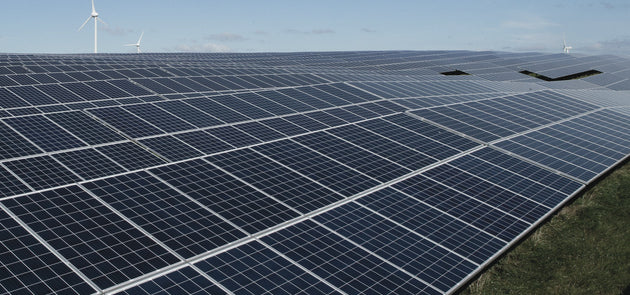
Solar power plants use PV wire or other appropriately rated conductors for photovoltaic DC circuits, alongside conventional building wire and medium-voltage cable for distribution.
Wind installations also require flexible, torsion-resistant cables in parts of the turbine that experience twisting and movement.
For example, flexible battery cables may be used for short connections between battery racks, DC busbars, and UPS equipment with tight bends and limited installation space.
Data Centers
Data centers require high-capacity electrical distribution to support servers, cooling systems, UPS equipment, and backup generation.
THHN/THWN-2, XHHW-2, MC, and medium-voltage cables are used throughout the power distribution system. Flexible power conductors may serve certain battery and UPS connections, while fiber-optic and network cabling support data transmission and facility monitoring.
Oil, Gas, Offshore, and Marine
Oil and gas facilities use THHN/THWN-2, XHHW-2, TC-ER, and MC cables to power pumps, compressors, valves, and motors, alongside shielded instrumentation and control cables for process monitoring.
Certain hazardous locations require specially permitted wiring methods, such as MC-HL cable.
Offshore platforms and marine installations use Type P and other marine-rated power, control, and instrumentation cables designed to withstand moisture, oil exposure, corrosion, and demanding operating conditions. MV-105 cable is also used for medium-voltage distribution and large equipment where required.
Oil resistance, corrosion resistance, flame performance, mechanical protection, and hazardous-location requirements are major factors in cable selection.
Manufacturing, Food Processing, and Pharmaceutical Facilities
Manufacturing facilities use general-purpose power wiring for distribution and specialized cables for machinery. TC-ER, MC, MTW, VFD, and control cables serve automation systems, conveyor lines, robotic equipment, and motor-driven processes.
Food and beverage plants also use washdown-resistant power, control, VFD, and servo cables, often with PUR or TPE jackets that withstand water, food oils, and cleaning chemicals. These cables are common around mixers, fillers, conveyors, and packaging equipment.
Pharmaceutical and biotechnology facilities use similar power and control cables, as well as shielded instrumentation cables for process monitoring. Cleanrooms may require low-particle-shedding cables, such as igus chainflex cleanroom-rated control cables for automated filling and packaging equipment. Sanitised production areas may use chemical-resistant control cables, such as LAPP ÖLFLEX ROBUST 210, designed to withstand exposure to cleaning agents, disinfectants, and hot water.
Steel mills, foundries, and industrial ovens also use high-temperature cables, including MG wire for furnaces and kilns, TGGT for heating equipment, and SRML for motors and equipment exposed to elevated temperatures.
Water Treatment and Utilities
Water and wastewater facilities use THHN/THWN-2, XHHW-2, and TC-ER cables for power distribution, motor control centers, pumps, and aerators. MV-105 cable supplies larger motors and medium-voltage distribution systems.
Submersible pump cable is used for underwater pump motors, while VFD cable connects variable-frequency drives to pumps and blowers. Shielded instrumentation cables carry signals from flow meters, level sensors, and other monitoring equipment.
Utilities and substations use MV-105 cable for medium-voltage distribution, THWN-2 and XHHW-2 for low-voltage power circuits, and multiconductor TC control cables for protection relays and switchgear controls. Fiber-optic cables handle communications, monitoring, and automation.
Laboratories and Research Facilities
Laboratories use THHN/THWN-2, XHHW-2, and MC cables for power distribution to research equipment, laboratory benches, and testing facilities.
Specialized wiring includes shielded instrumentation cables, such as Belden 8761, for transmitting low-voltage sensor signals to monitoring equipment; Type K thermocouple extension wire for temperature measurements in furnaces and environmental test chambers; and RG-58 coaxial cable for connecting electronic test instruments.
PTFE-insulated high-temperature wire is used in high-temperature laboratory equipment and test setups where conventional insulation may not withstand the operating conditions.
Temporary Power and Rental Equipment
Temporary industrial power systems use flexible portable cables that can withstand frequent handling, relocation, and outdoor conditions.
Type W cable is used for heavy-duty temporary feeders, generators, and large portable equipment. SOOW cable supplies industrial tools, portable lighting, and compressors, while Type SC cable is designed for temporary stage power distribution at concerts, theatres, and film productions. It is a flexible single-conductor cable with cam-lock connectors.
How to Choose Industrial Power Cable
Industrial cable selection starts with the electrical system and the equipment it serves.
1. Identify the voltage and load. Determine whether the circuit supplies low-voltage equipment, three-phase motors, medium-voltage distribution, or a specialized DC system. Size conductors using the applicable load and ampacity requirements.
2. Choose the installation method. Conductors installed in conduit have different requirements from TC cable in trays, MC cable, buried feeders, or portable cable supplying movable equipment.
3. Check the environment. Wet locations, chemicals, oils, high temperatures, sunlight, vibration, and abrasion can determine which insulation and jacket materials are appropriate.
4. Consider movement and flexibility. Fixed industrial wiring is not automatically suitable for repeated bending, cable carriers, robotics, trailing, or reeling applications.
5. Account for electrical interference. VFD systems, instrumentation, and industrial communications may require shielded cables, controlled routing, and appropriate grounding.
6. Verify listings and equipment requirements. Confirm the cable’s voltage rating, conductor material, temperature rating, permitted uses, and applicable standards. NEC requirements and equipment manufacturer specifications should guide the final selection.
Choosing the Right Industrial Cable Supplier
Industrial projects need more than a single cable type.
Selecting a supplier that carries a broad range of industrial power, control, and specialty cables can simplify procurement across multiple systems.
Nassau National Cable supplies industrial power, control, instrumentation, and specialty cables for projects of all sizes. NNC ships from four U.S. warehouse locations and has access to strategic factory stock through direct relationships with Southwire, Prysmian, TF, Okonite, and Belden. Services include custom reel configurations, cable paralleling, cut-to-length orders, pre-terminated assemblies, and lug installation. NNC can serve as a primary supplier for large industrial projects or a backup source when your regular supplier runs short.
Browse the full industrial wire and cable catalog.