Garrie AI: Your Cable Guide


Is SOOW Cable Good for Permanent Wiring?
No. SOOW cable is not permitted for permanent wiring.
SOOW is classified as a flexible cord, not a building wiring method. While it is durable and oil- and water-resistant, it is designed only for portable and temporary power applications, not for fixed installations inside walls, ceilings, or raceways.SOOW is often misused
Let's explore why the code restricts it and what alternative should be used instead.
What SOOW Cable Is Designed For
Under NEC Article 400, SOOW is a hard-usage flexible cord used for:
-
Portable tools and equipment
-
Temporary power connections
-
Equipment that moves, vibrates, or needs frequent repositioning
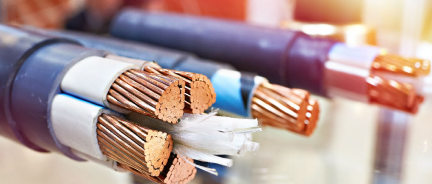
The construction of SOOW is fine-stranded conductors and a flexible rubber jacket. The cable is designed to withstand repeated bending and flexing. Unfortunately, that same flexibility is what makes SOOW unsuitable for fixed permanent installations.
Why SOOW Is Not Allowed for Permanent Wiring
The National Electrical Code classifies SOOW as a flexible cord, not as fixed building wiring. Because of this classification, SOOW is governed by NEC Article 400, which strictly limits its use.
SOOW cannot replace permanent wiring methods. It may not be installed inside walls, ceilings, or floors, run through framing cavities, concealed behind building finishes, or attached to building surfaces as a permanent wiring method. It also cannot substitute for NM-B, MC cable, or permanent cables in conduit.
These restrictions exist because flexible cords are more difficult to secure and support, and are more susceptible to mechanical damage. They are not intended to be concealed, as this would highlight the fact that they are worn and damaged.
For this reason, NEC Article 400 allows SOOW only for specific uses, such as connecting portable equipment or supplying temporary power.
Any installation intended to be fixed in place or long-term falls outside what SOOW is designed and permitted to do.
Common Misuses of SOOW (And Why They Fail Inspection)
SOOW is often misused in:
-
Garages and workshops
-
Home EV charger connections
-
Machinery hard-wired to wall panels
-
Exposed wall or ceiling runs
Even though SOOW may appear heavy-duty, inspectors reject these installations because durability does not equal code compliance.
What to Use Instead (By Application)

Dry Indoor Spaces
NM-B (Romex)
Used inside finished walls and ceilings where wiring is concealed and protected.
Exposed Indoor Wiring
MC Cable (Metal-Clad)
Approved for exposed runs and provides built-in mechanical protection.
Wet or Outdoor Runs
THWN-2 Conductors in PVC or EMT Conduit
Rated for wet locations and outdoor exposure.
Underground Wiring
UF-B Cable
or
THWN-2 in PVC Conduit
Designed for direct burial or underground conduit installations.
Industrial / Commercial Applications
XHHW-2 or THWN-2 in EMT or RMC Conduit
For permanent heavy-duty power distribution.
When SOOW Is Appropriate
SOOW is appropriate when:
-
Equipment must move or vibrate
-
Power connections are temporary
-
The cord remains visible and accessible
-
The installation is clearly not permanent
Typical examples include welders, portable compressors, and stage or event equipment.
Notes from the Field (Industrial Practice)
In industrial and hazardous (classified) locations, flexible cords like SOOW are sometimes used as part of a hybrid installation, not as building wiring.
A common approach includes:
-
Running rigid conduit to a conduit body
-
Connecting to a seal-off fitting
-
Splicing THHN conductors to a flexible cord inside the conduit body
-
Pouring the seal so the seal-off fully encapsulates the flexible cord
Here, SOOW functions only as the flexible equipment connection, while the fixed wiring remains a permitted raceway and conductor system. This practice is sometimes used in Class I, Division 2 locations, where SOOW is listed as a flexible cord and may be more cost-effective than speciality assemblies.
This does not make SOOW a permanent wiring method, but these hybrid installations are allowed.
Why Flexible Cords Are Kept Visible
One practical reason flexible cords like SOOW are limited to temporary accessible installations is simple: the jacket won't last like a permanent wiring insulation. SOOW's rubber jacket is flexible, but it will age faster and show wear sooner than rubber jackets that are a part of permanent wiring.
Keeping SOOW exposed simply allows you to spot jacket damage and replace the cable before it becomes a safety issue. Permanent wiring, by contrast, is designed for longer life without rapid jacket tear.
Type W and G-GC Are Not Permanent Either
Cables such as Type W and G-GC are often mentioned in conjunction with SOOW. Despite differences in construction and application, they follow the same rule: they are flexible power cables, not building wiring methods.
Although industrial, they are used for portable or temporary power connections, generator leads, welding equipment, or vibration-isolated machinery, just like SOOW. They are not designed for permanent installations inside structures. For permanent installations, they are replaced with THHN/THWN-2, XHHW-2, MC, and conduit systems.
Nassau National Cable offers great deals on SOOW cables for portable power applications, as well as on all replacements mentioned here.
Is SOOW Cable Good for Permanent Wiring?
No. SOOW cable is not permitted for permanent wiring.
SOOW is classified as a flexible cord, not a building wiring method. While it is durable and oil- and water-resistant, it is designed only for portable and temporary power applications, not for fixed installations inside walls, ceilings, or raceways.SOOW is often misused
Let's explore why the code restricts it and what alternative should be used instead.
What SOOW Cable Is Designed For
Under NEC Article 400, SOOW is a hard-usage flexible cord used for:
-
Portable tools and equipment
-
Temporary power connections
-
Equipment that moves, vibrates, or needs frequent repositioning
The construction of SOOW is fine-stranded conductors and a flexible rubber jacket. The cable is designed to withstand repeated bending. Unfortunately, that same flexibility is what makes SOOW unsuitable for fixed permanent installations.
Why SOOW Is Not Allowed for Permanent Wiring
The National Electrical Code classifies SOOW as a flexible cord, not as fixed building wiring. Because of this classification, SOOW is governed by NEC Article 400, which strictly limits how it can be used.
SOOW cannot replace permanent wiring methods. It may not be installed inside walls, ceilings, or floors, run through framing cavities, concealed behind building finishes, or attached to building surfaces as a permanent wiring method. It also cannot substitute for NM-B, MC cable, or permanent cables in conduit.
These restrictions exist because flexible cords are harder to secure and support, are more vulnerable to mechanical damage. They are not intended to be concealed, as this would highlight the fact that they are worn and damaged.
For this reason, NEC Article 400 allows SOOW only for specific uses, such as connecting portable equipment or supplying temporary power.
Any installation intended to be fixed in place or long-term falls outside what SOOW is designed and permitted to do.
Common Misuses of SOOW (And Why They Fail Inspection)
SOOW is often misused in:
-
Garages and workshops
-
Home EV charger connections
-
Machinery hard-wired to wall panels
-
Exposed wall or ceiling runs
Even though SOOW may appear heavy-duty, inspectors reject these installations because durability does not equal code compliance.
What to Use Instead (By Application)
Dry Indoor Spaces
NM-B (Romex)
Used inside finished walls and ceilings where wiring is concealed and protected.
Exposed Indoor Wiring
MC Cable (Metal-Clad)
Approved for exposed runs and provides built-in mechanical protection.
Wet or Outdoor Runs
THWN-2 Conductors in PVC or EMT Conduit
Rated for wet locations and outdoor exposure.
Underground Wiring
UF-B Cable
or
THWN-2 in PVC Conduit
Designed for direct burial or underground conduit installations.
Industrial / Commercial Applications
XHHW-2 or THWN-2 in EMT or RMC Conduit
For permanent heavy-duty power distribution.
When SOOW Is Appropriate
SOOW is appropriate when:
-
Equipment must move or vibrate
-
Power connections are temporary
-
The cord remains visible and accessible
-
The installation is clearly not permanent
Typical examples include welders, portable compressors, and stage or event equipment.
Notes from the Field (Industrial Practice)
In industrial and hazardous (classified) locations, flexible cords like SOOW are sometimes used as part of a hybrid installation, not as building wiring.
A common approach includes:
-
Running rigid conduit to a conduit body
-
Connecting to a seal-off fitting
-
Splicing THHN conductors to a flexible cord inside the conduit body
-
Pouring the seal so the seal-off fully encapsulates the flexible cord
Here, SOOW functions only as the flexible equipment connection, while the fixed wiring remains a permitted raceway and conductor system. This practice is sometimes used in Class I, Division 2 locations, where SOOW is listed as a flexible cord and may be more cost-effective than specialty assemblies.
This does not make SOOW a permanent wiring method, but these hybrid installations are allowed.
Why Flexible Cords Are Kept Visible
One practical reason flexible cords like SOOW are limited to temporary accessible installations is simple: the jacket won't last like permanent wiring insulation. SOOW's rubber jacket is flexible, but it will age faster and show wear sooner than rubber jackets that are a part of permanent wiring.
Keeping SOOW exposed simply allows you spot jacket damage
and replace the cable before it becomes a safety issue. Permanent wiring, by contrast, is designed for longer life without rapid jacket tear.
Type W and G-GC Are Not Permanent Either
Cables such as Type W and G-GC are often mentioned alongside SOOW. Despite differences in construction and application, they follow the same rule: they are flexible power cables, not building wiring methods.
Though industrial, just as SOOW, they are used for portable or temporary power connections, generator leads, welding equipment, or vibration-isolated machinery. They are not designed for permanent installations inside structures. For permanent installations, they are replaced with THHN/THWN-2, XHHW-2, MC, and conduit systems.
Nassau National Cable offers great deals on SOOW cables for portable power applications, as well as on all replacements mentioned here.